The LAN Party That Never Ended
How Quake Accidentally Invented Modern Multiplayer
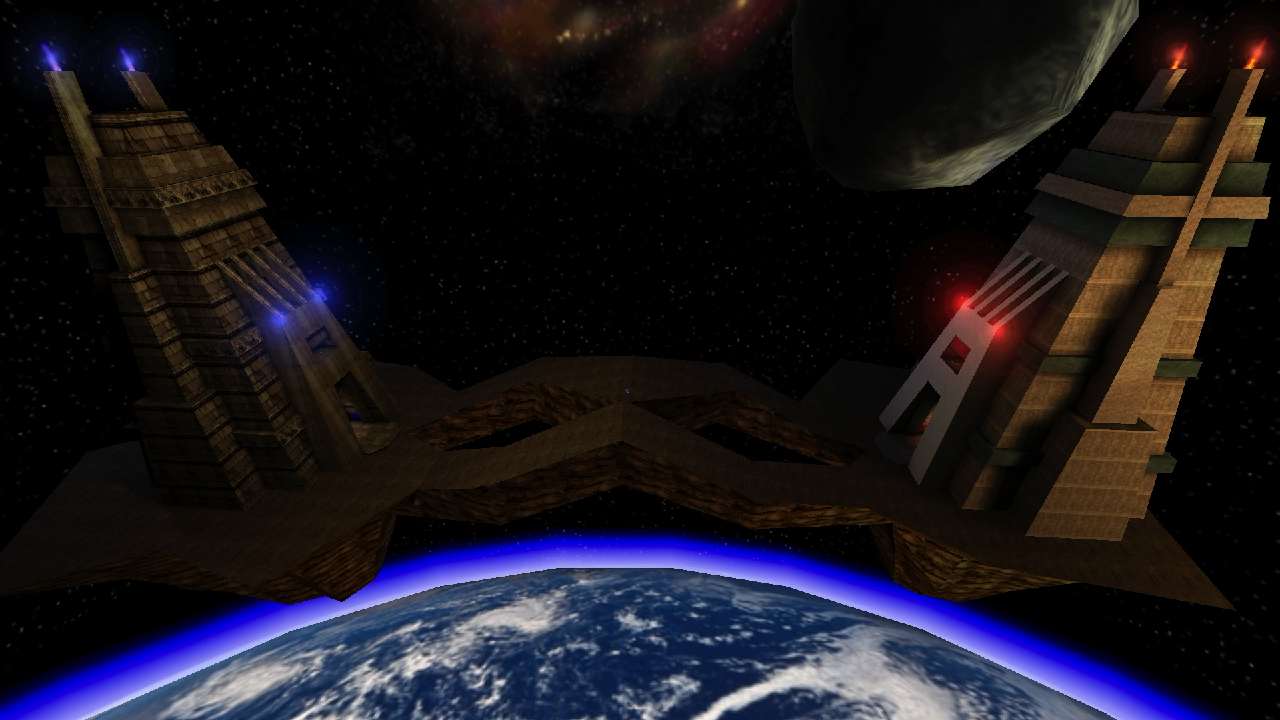
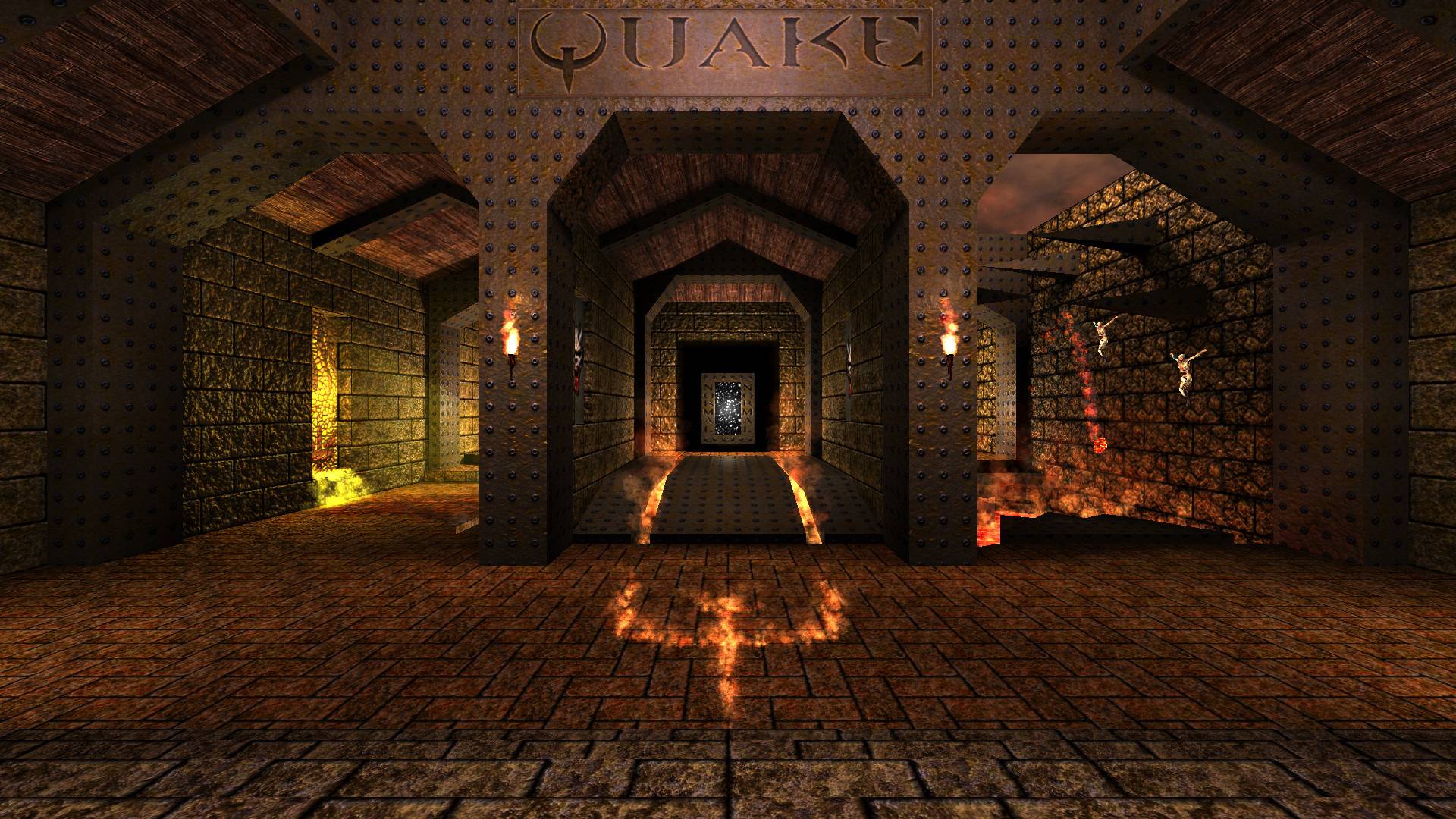
When Quake shipped in 1996, nobody expected it to redefine how people played games together. TCP/IP multiplayer wasn’t a bullet point—it was a revolution. Overnight, bedrooms turned into server rooms and dorm basements into battlegrounds.
The game’s clean networking model and lightning-fast movement made dial-up tolerable and LAN parties legendary. Mods, maps, and total conversions followed, and suddenly players weren’t just consumers—they were co-developers. In many ways, today’s always-online shooters still live in Quake’s shadow.
Part of what made it click was how simple it was to jump in. You could host a server, share an IP, and suddenly you had a match going. No accounts, no matchmaking queues—just direct connection. It felt raw, immediate, and a little chaotic, but that was the appeal. You weren’t entering a system; you were plugging into someone else’s machine.
Movement became its own language. Strafe-jumping, rocket jumping, and air control weren’t taught— they were discovered. Players pushed the mechanics far beyond what was intended, and instead of breaking the game, it defined it. Skill wasn’t just about aim; it was about mastering physics that felt almost like a sport.
Then came the mods. Tools were released, and the community ran with them. Entire genres were born out of it— team-based shooters, class systems, custom rule sets. Servers developed identities, regulars formed communities, and maps became as recognizable as the players themselves.
LAN parties tied it all together. Hauling beige towers and CRT monitors across town just to play for a weekend sounds ridiculous now, but at the time it was the best way to experience it. The noise, the cables, the shouting— it turned a game into a shared event.
Quake didn’t set out to build the blueprint for modern multiplayer, but that’s exactly what happened. Persistent servers, community-driven content, emergent skill systems—it all started here, stitched together by players who were just figuring it out as they went.